Vredefort Dome · UNESCO World Heritage

Protecting the wild

in the world's oldest crater.

A registered trust safeguarding wildlife in the Vredefort Dome World Heritage Site — through rescue, research, and restoration.

The place

Older than memory.
Still teeming with life.

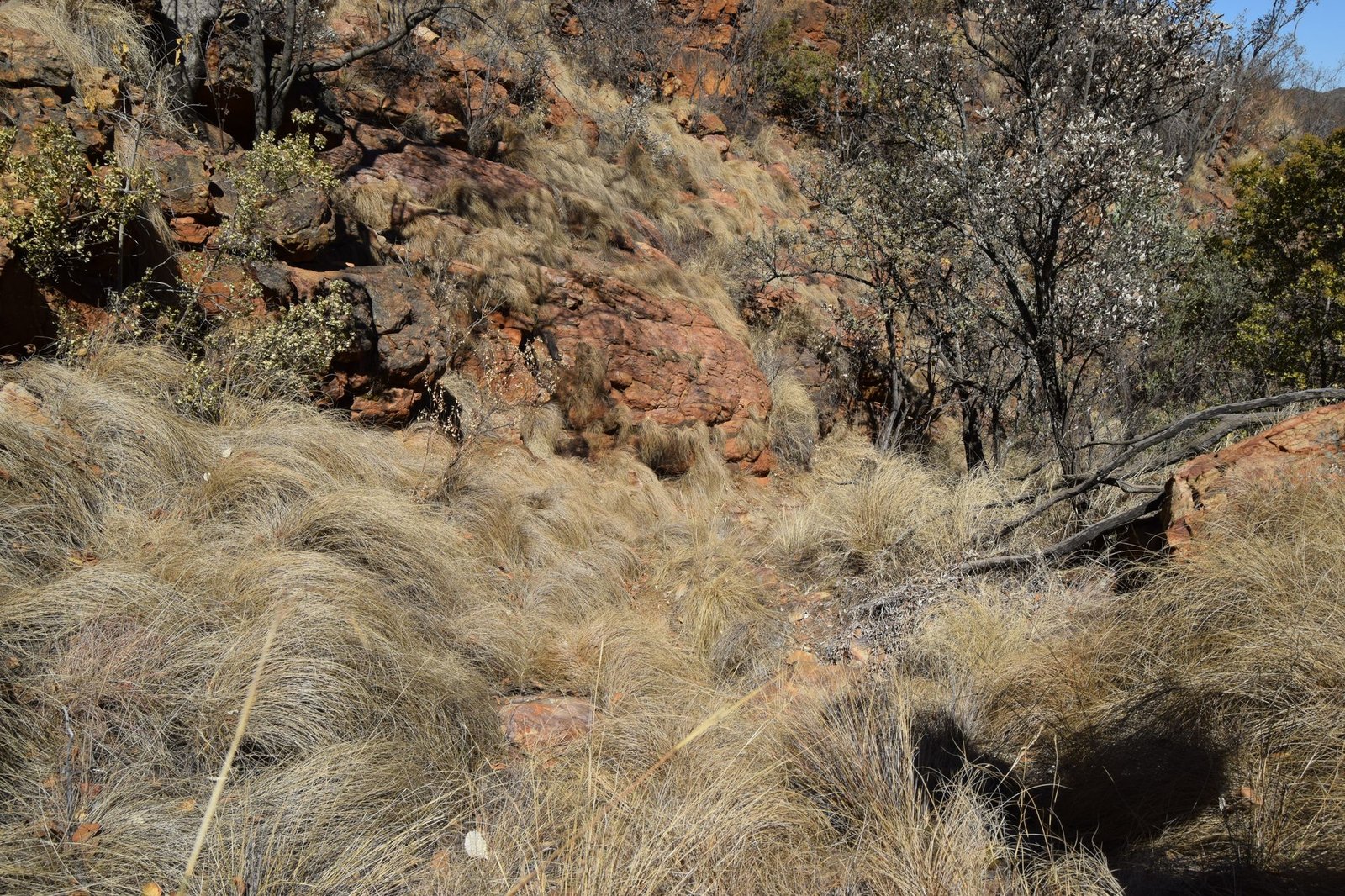
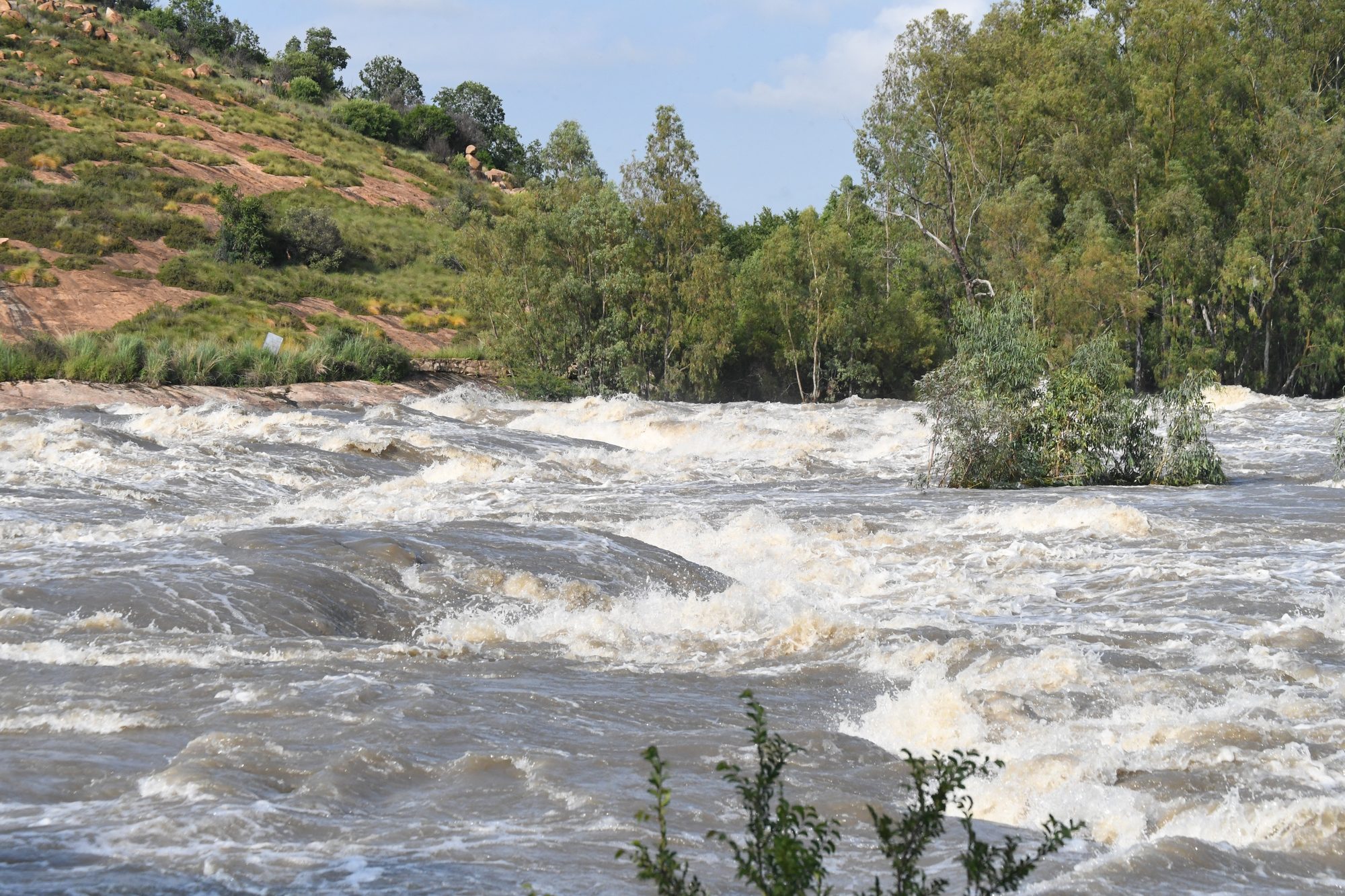
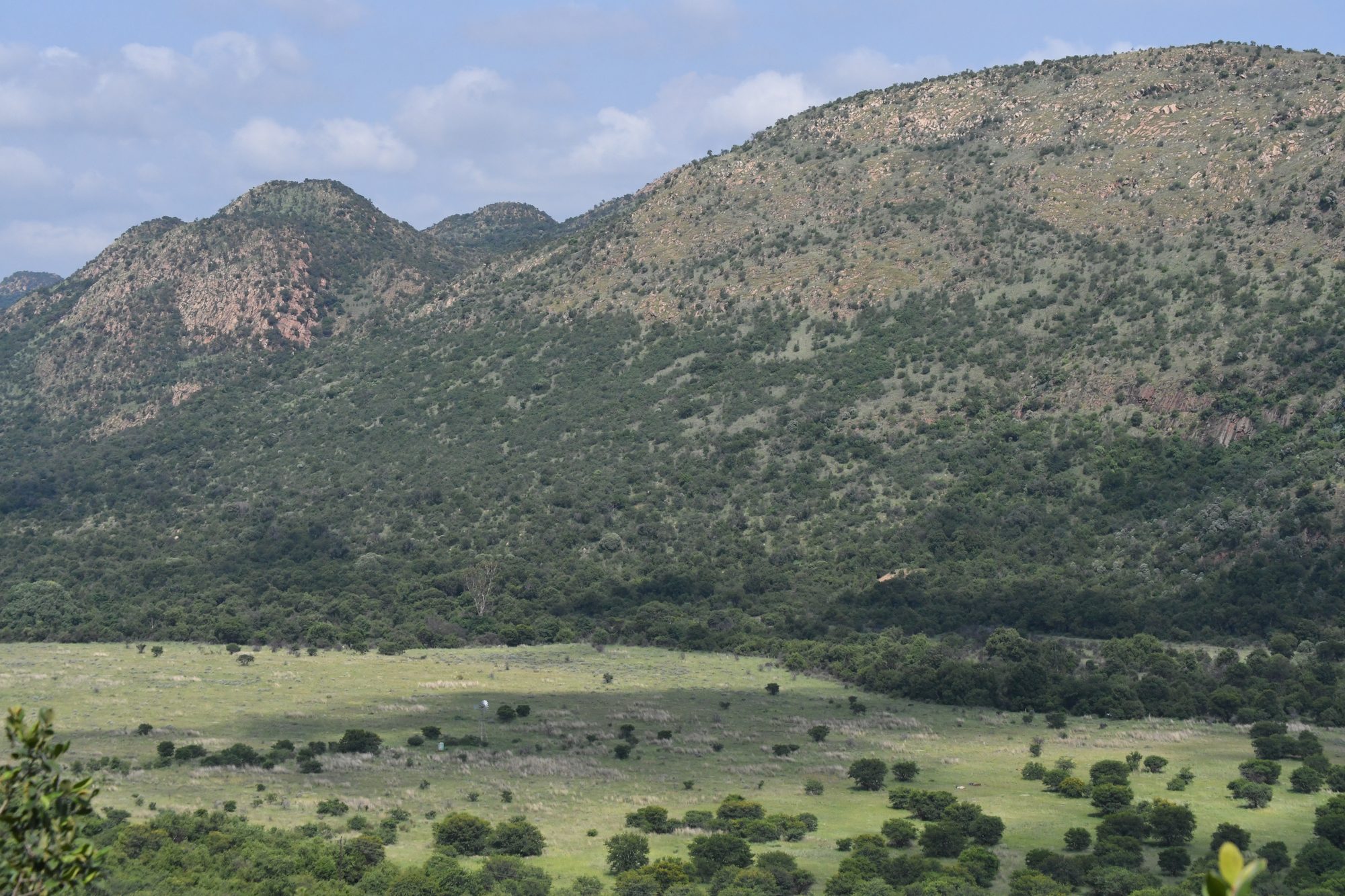
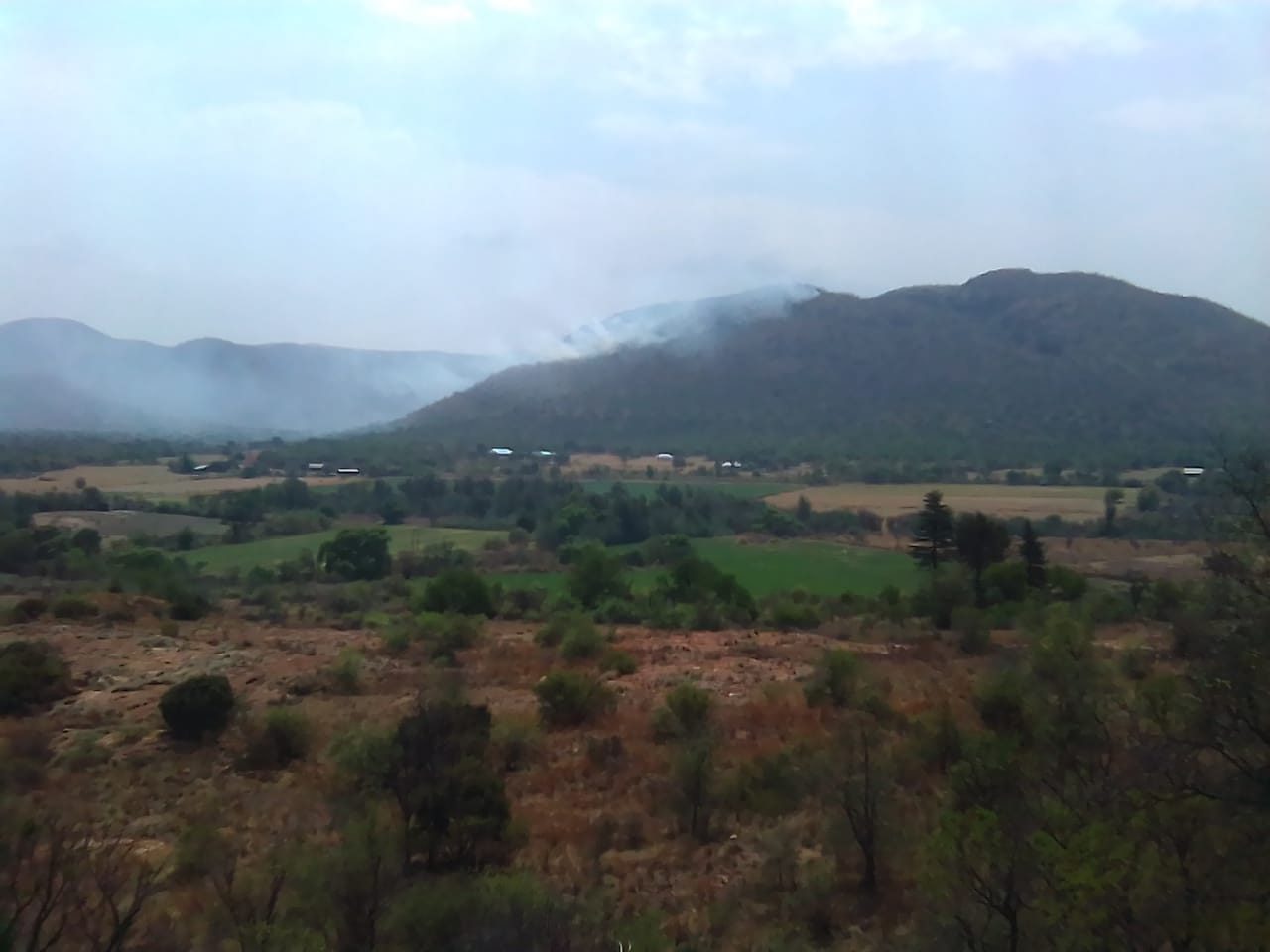
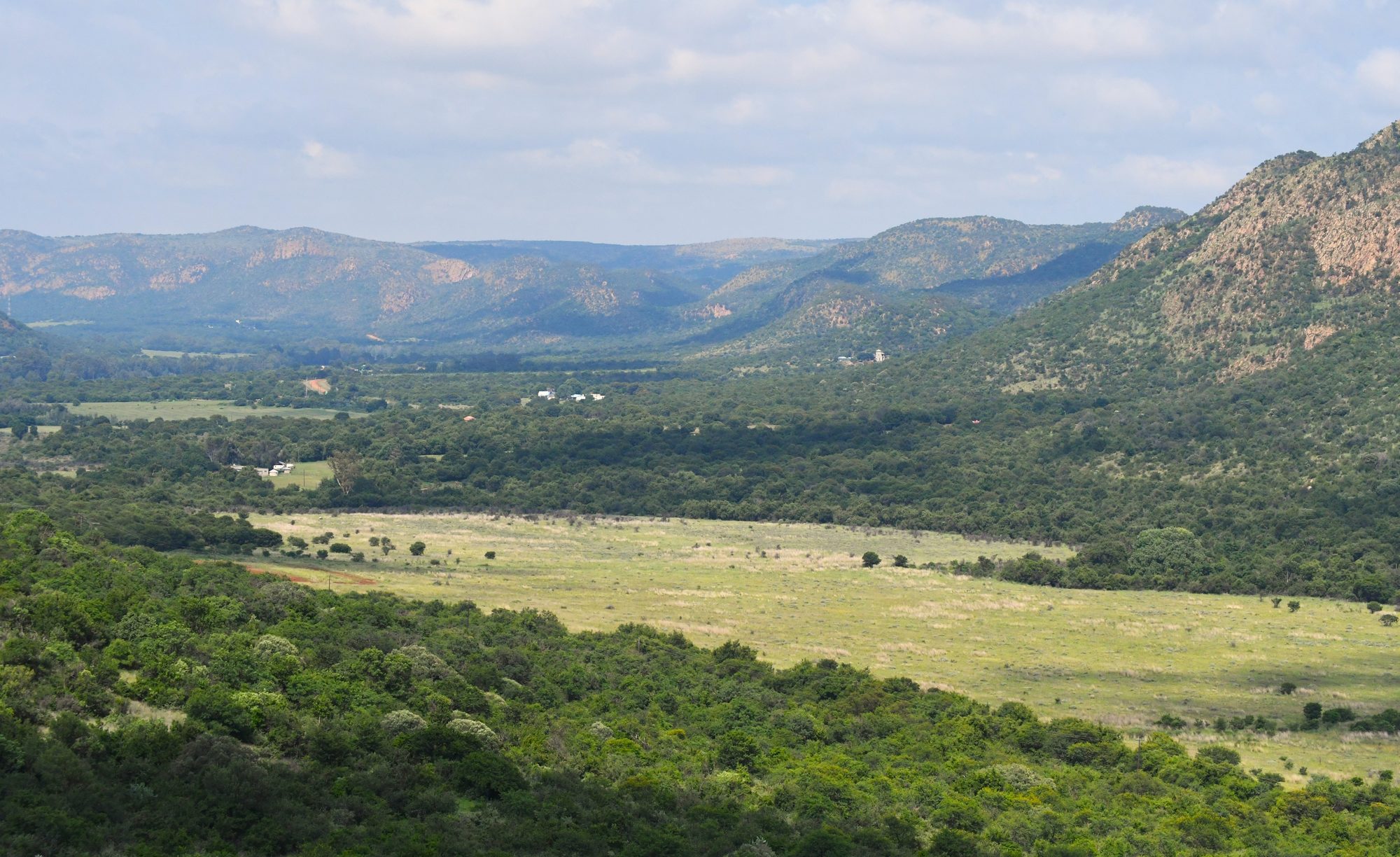
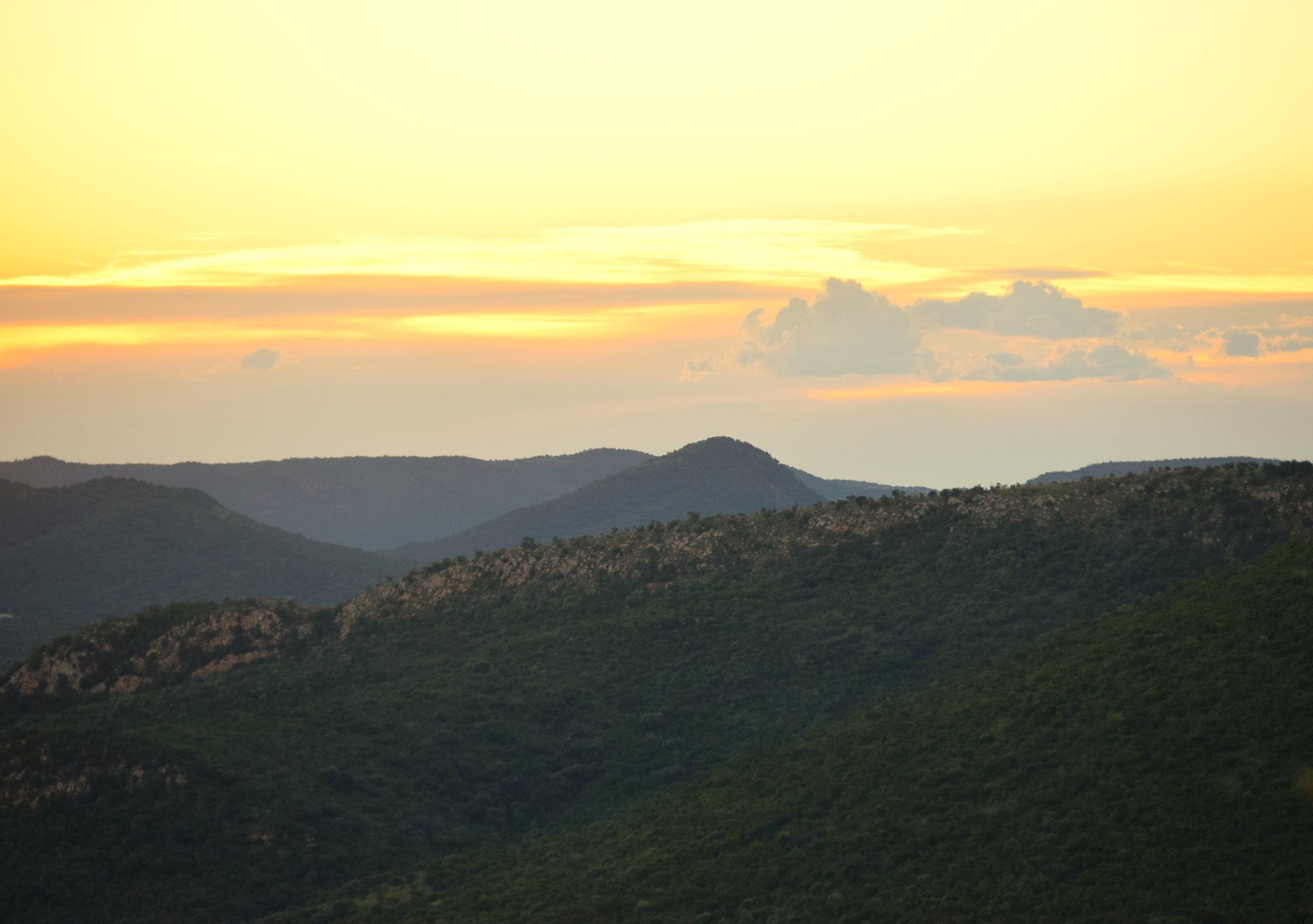
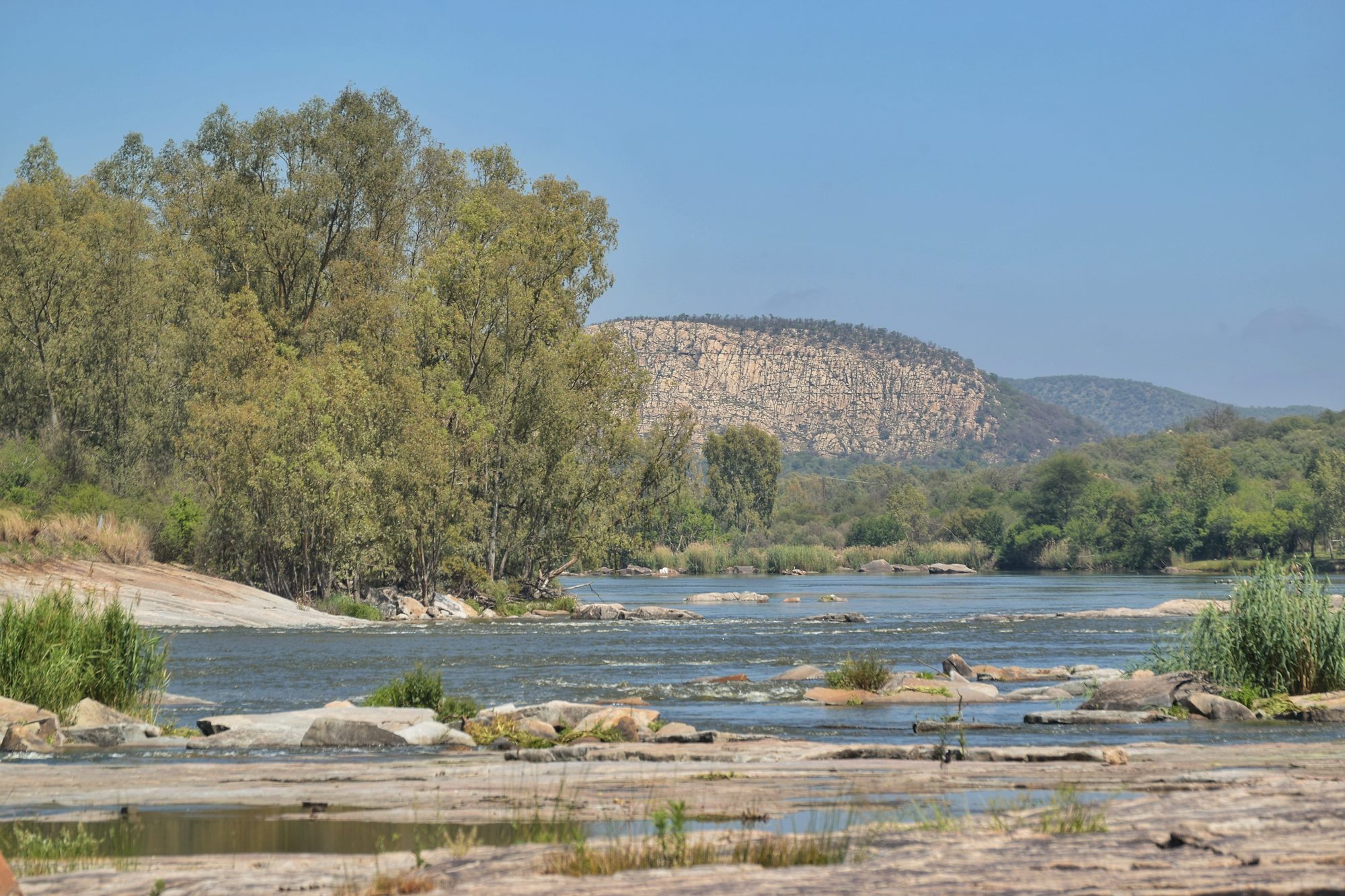
The Vredefort Dome is Earth's oldest verified meteorite-impact crater — a vast, ancient scar of weathered hills cradling the Vaal River near Parys in the Free State. It is the only such structure recognised as a UNESCO World Heritage Site.

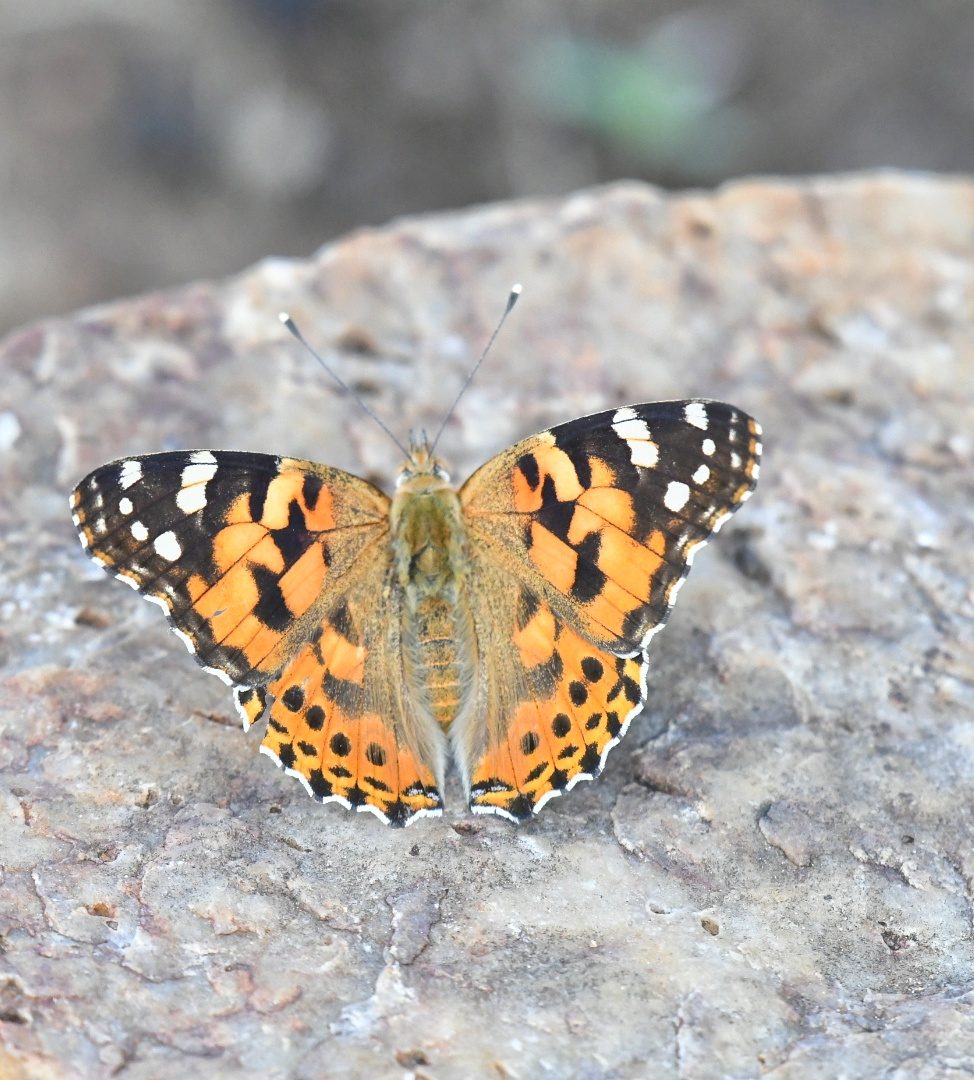
Inside its 300-kilometre rim live the animals we protect: kudu, zebra, leopard, eland, hundreds of bird species — and a quiet, stubborn ecosystem that has outlived everything thrown at it. Our work is to keep it that way.

Eldest
Crater on Earth
300km
Original crater
2005
UNESCO listed

Our work

Four pillars, one promise.

Conservation isn't one job — it's four, done at the same time, every day, year after year.

01

Rehabilitation

Rescuing injured, orphaned and snared wildlife — and giving them every chance of returning home to the dome.

02

Anti-poaching

Boots-on-the-ground patrols, snare sweeps and intelligence work to keep the dome's wildlife safe at night.

03

Habitat restoration

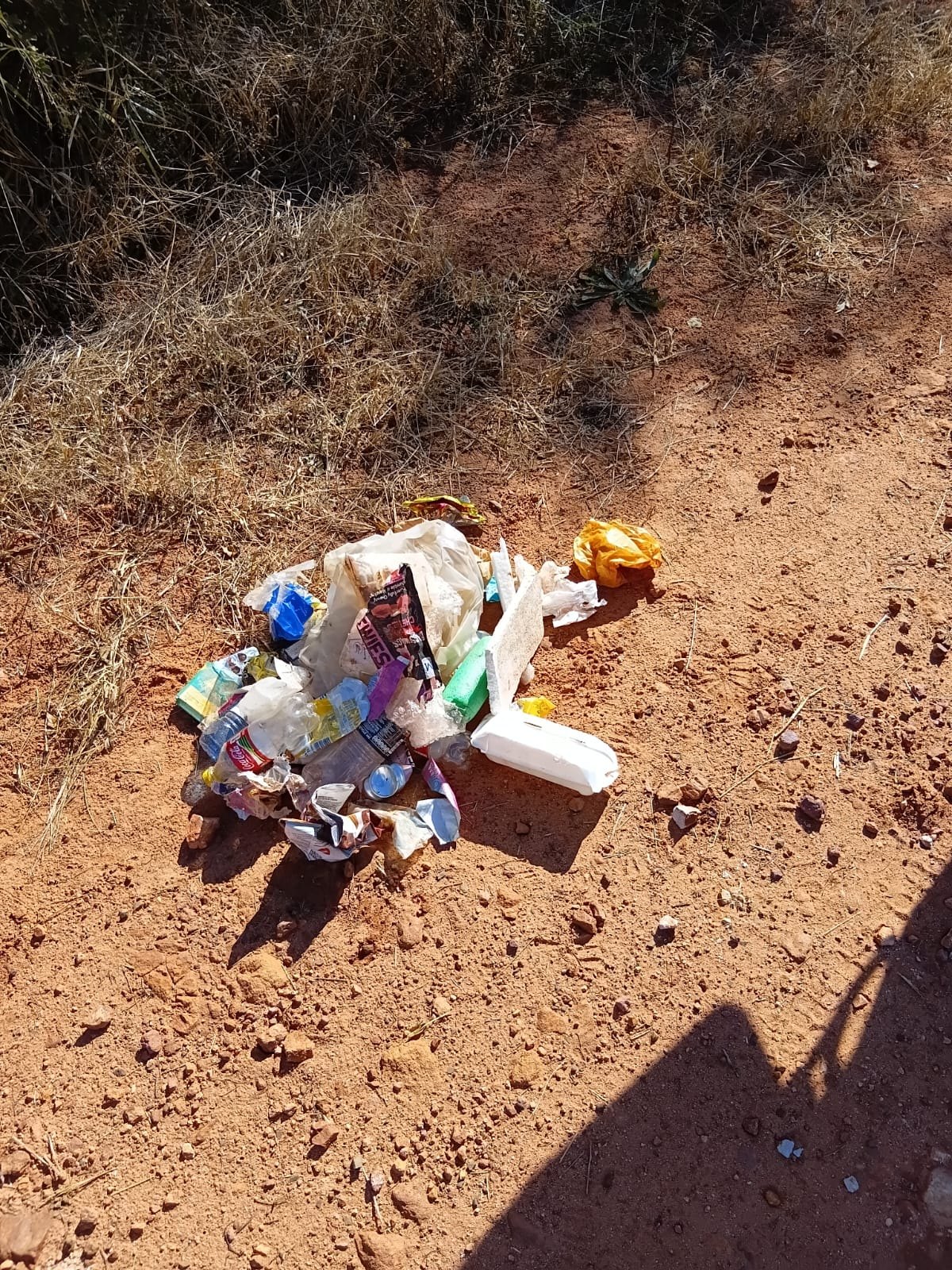
Clearing invasive species, restoring grasslands and replanting indigenous trees along the Vaal's banks.

04

Education

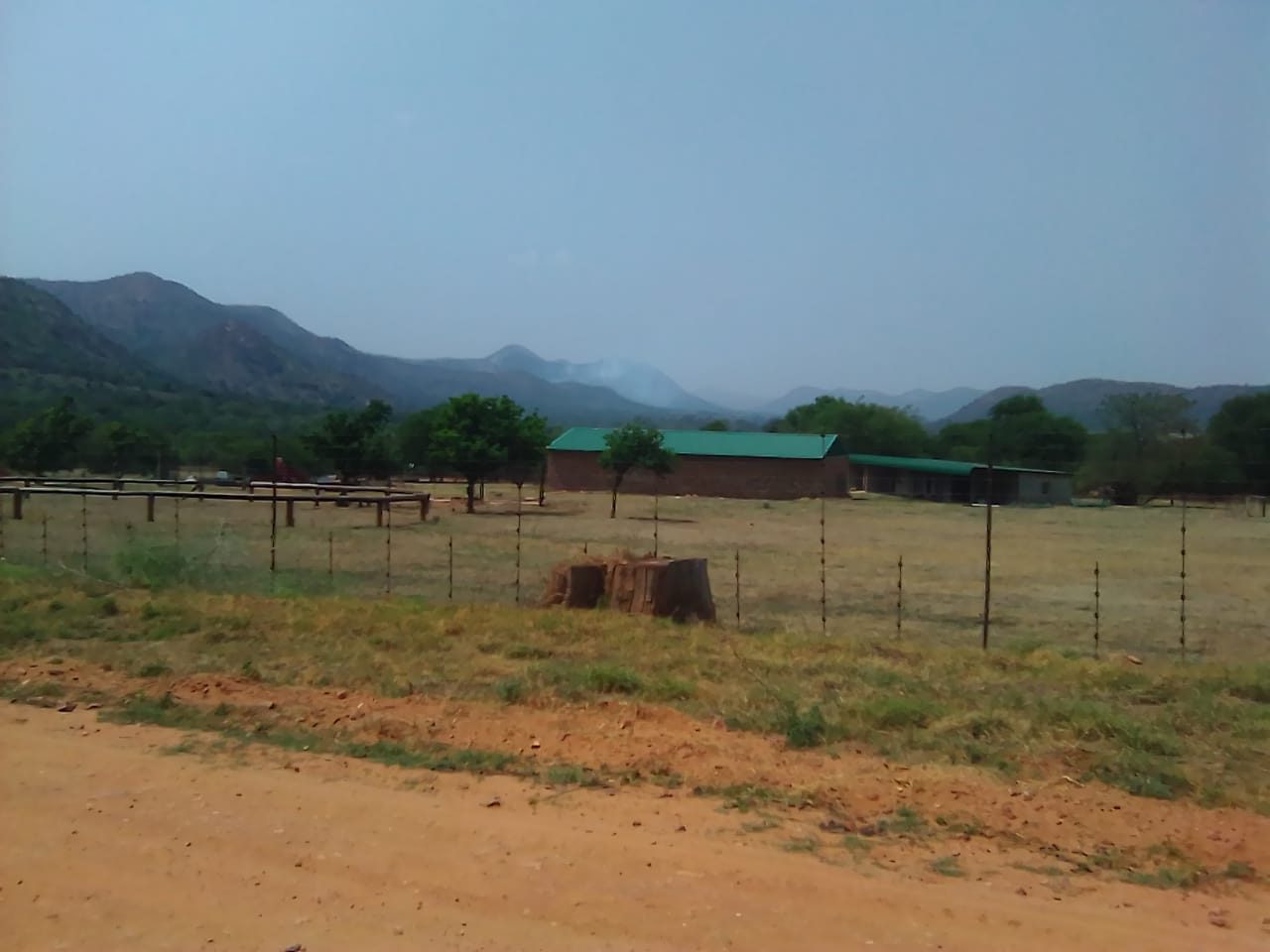
Bringing local schools onto the land — because the next generation of conservationists is sitting in a Free State classroom right now.

Rescue diary · No. 04

Mavi.

Caught in a snare for two days. Walking the rim by spring.

A patrol team found her tangled in a wire snare on the eastern fence-line, exhausted and unable to stand. She was a year-old leopard — barely. The vets stabilised her on the back of a bakkie, drove her ninety minutes through the dark, and started cleaning the wound at midnight.

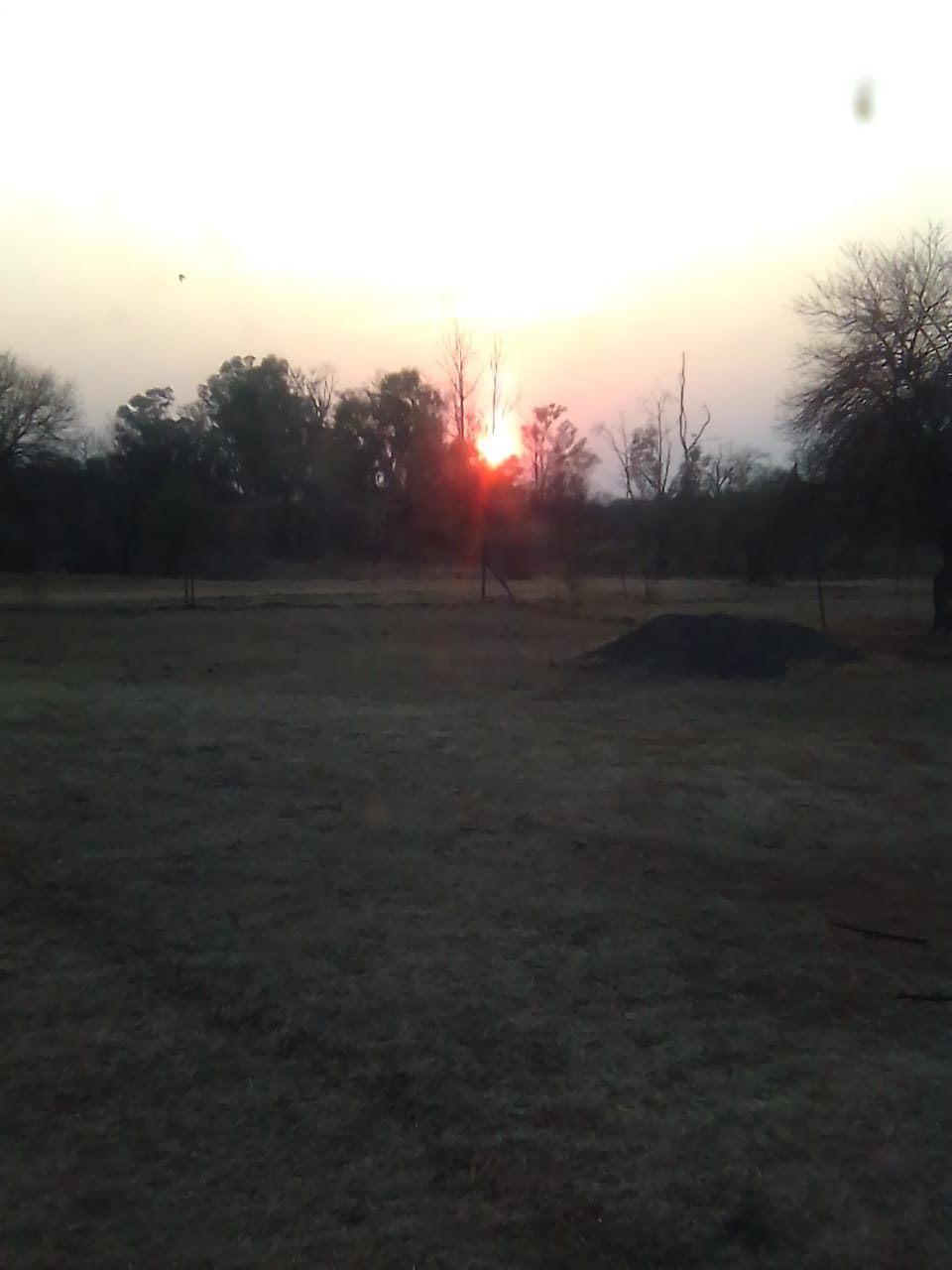
Six months of antibiotics, physio, and a slow re-introduction to live prey. In October she walked out of the boma and didn't look back. Twelve weeks later a camera trap caught her at the rim, hunting at first light. She is the reason this trust exists.

Field notes — Dr. Naledi Khumalo, Wildlife Vet

04 Read the full rescue

Impact, in plain numbers

What your support has built.

0+

Rehabilitated

Animals rescued, treated, and released back into the dome since 2018.

0ha

Under protection

Hectares of dome wilderness under active patrol, fence repair, and snare sweeps.

0

Snares removed

Wire snares pulled off fence-lines and game paths since 2019. Each one is a life kept.

0

Schools on the land

Free State school groups hosted at the dome for guided field days. Conservation starts in classrooms.

Conservation, in motion

From the field — a short film.

This three-minute film by Wildlife ACT and WWF is not our footage — it's about black rhino tracking on another patch of southern Africa. We share it because the posture is the same one we take on the dome: real animals, real fieldwork, no hype.

Black Rhino Conservation with WWF WWF · Wildlife ACT
More short films

Shop

Every purchase funds the wild.

Every cent of profit from the WCTVD shop goes back into rehabilitation, anti-poaching, and habitat work in the dome. Wear the cause, fund the cause.

We'd rather show you nothing than something fake. The shop opens when it's ready — and every rand will walk straight back into the dome.

Voices

From the people doing the work.

“We thought she'd lost the use of that leg for good. Six months later she's back on the rim, hunting at first light.”
Dr. Naledi Khumalo Wildlife veterinarian, WCTVD
“Walking the dome at dawn changed how I think about home. The trust gave us the maps and the courage.”
Pieter van Wyk Volunteer, Free State chapter
“Children who arrive afraid of the bush leave asking for the names of every bird. That's the work.
Thandi Mokoena Schools programme lead
01 / 03

Contact

Come and walk the dome.

We answer every message. Drop us a line about volunteering, donations, school visits, or research access — we'll be back in 24 hours.

Where we are
Parys, Free State
Vredefort Dome World Heritage Site