The Vredefort Dome: Conserving the World's Greatest Geological Legacy
Excerpt
Beneath our feet lies the story of one of Earth's most extraordinary events. The Vredefort Dome is more than an ancient landscape—it is the oldest and largest visible meteorite impact structure on our planet. Conserving this geological treasure ensures that future generations can continue to learn from, appreciate, and be inspired by one of nature's greatest masterpieces.
A Story Written in Stone
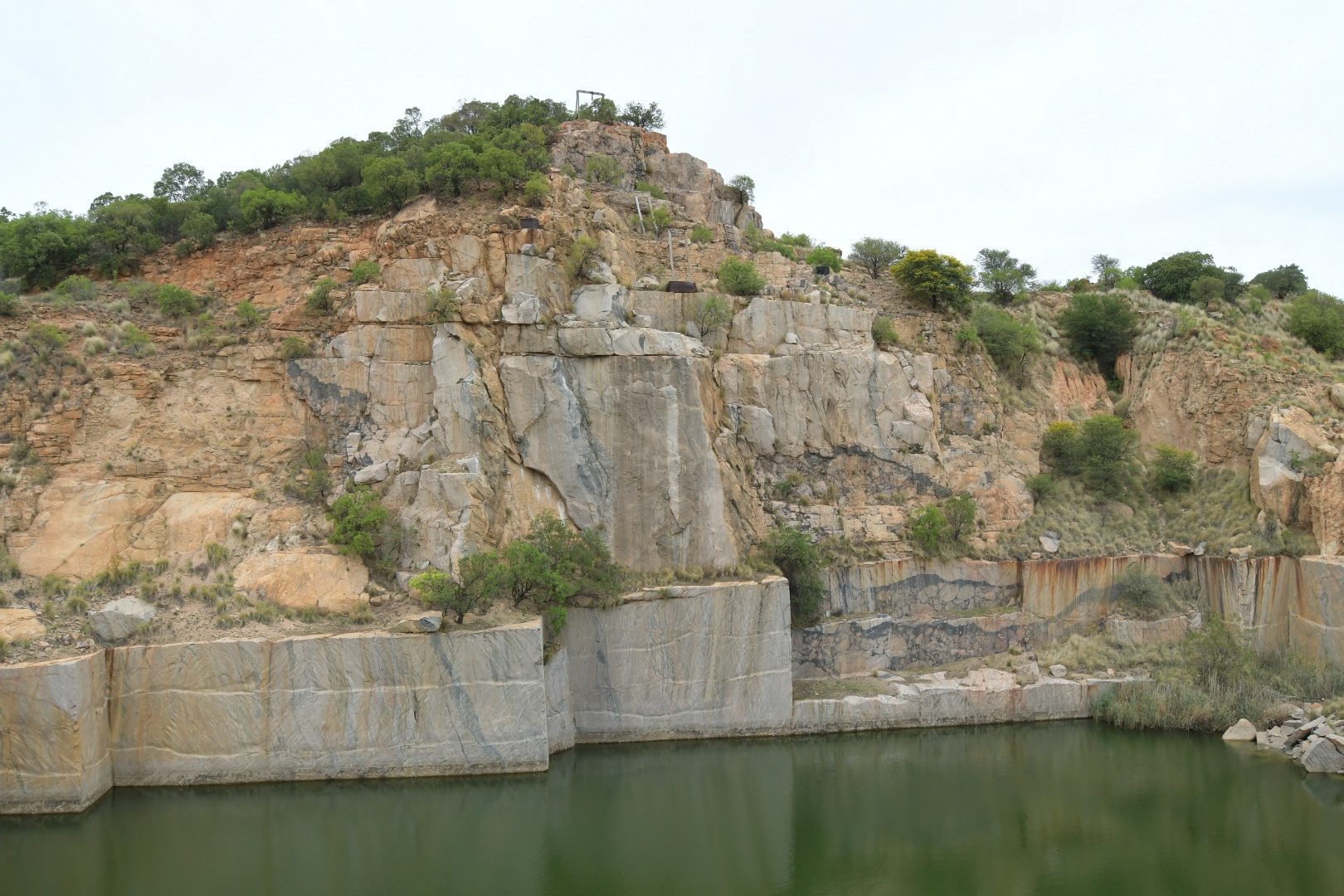
Millions of years before humanity existed, an asteroid estimated to have been between 10 and 15 kilometres in diameter struck the Earth with unimaginable force. The impact forever changed the landscape, creating what we know today as the Vredefort Dome.
Now recognised as a UNESCO World Heritage Site, the Vredefort Dome offers a rare opportunity to witness geological processes that have shaped our planet over billions of years. Every exposed rock, ridge and valley tells part of a story that cannot be recreated or replaced.
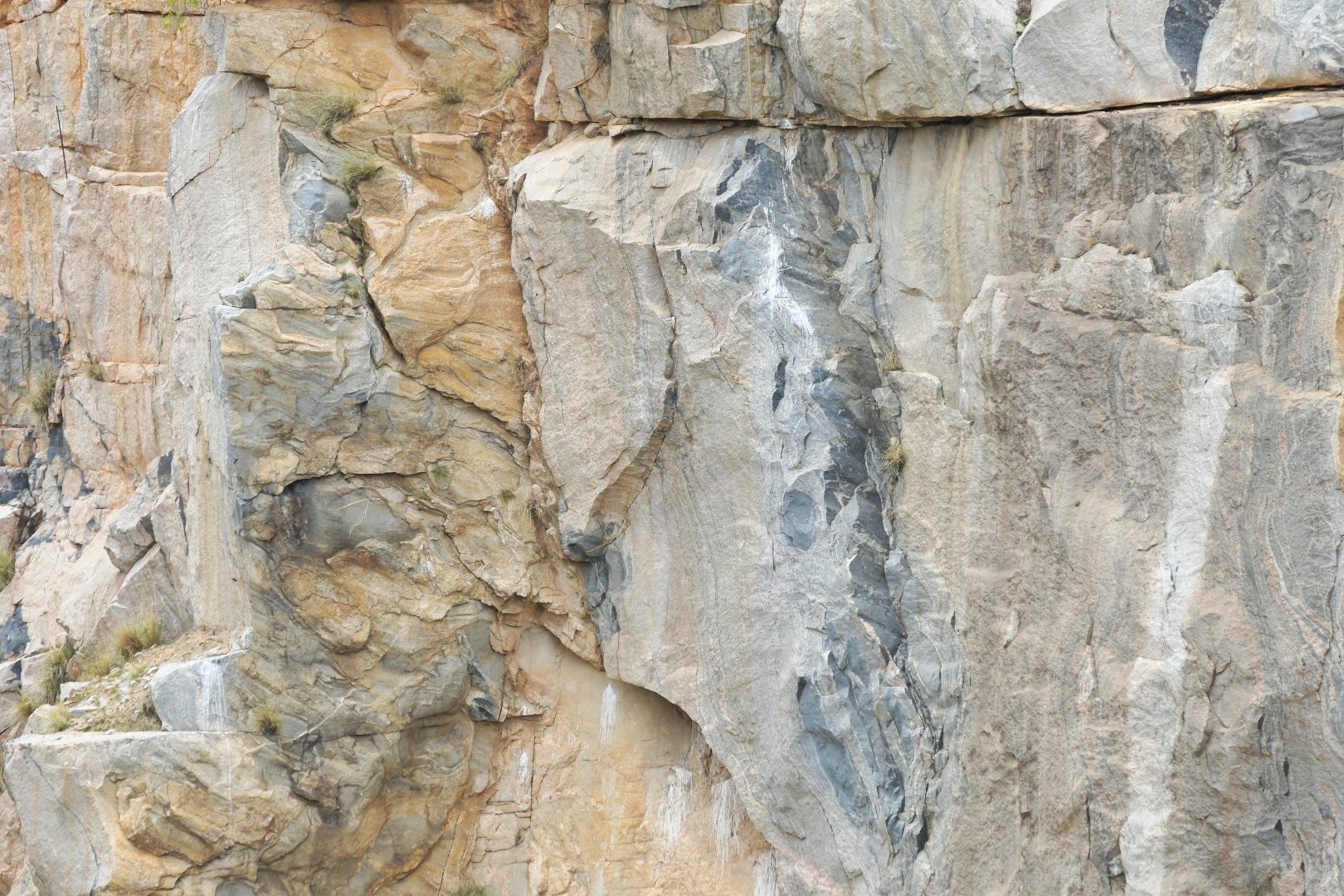
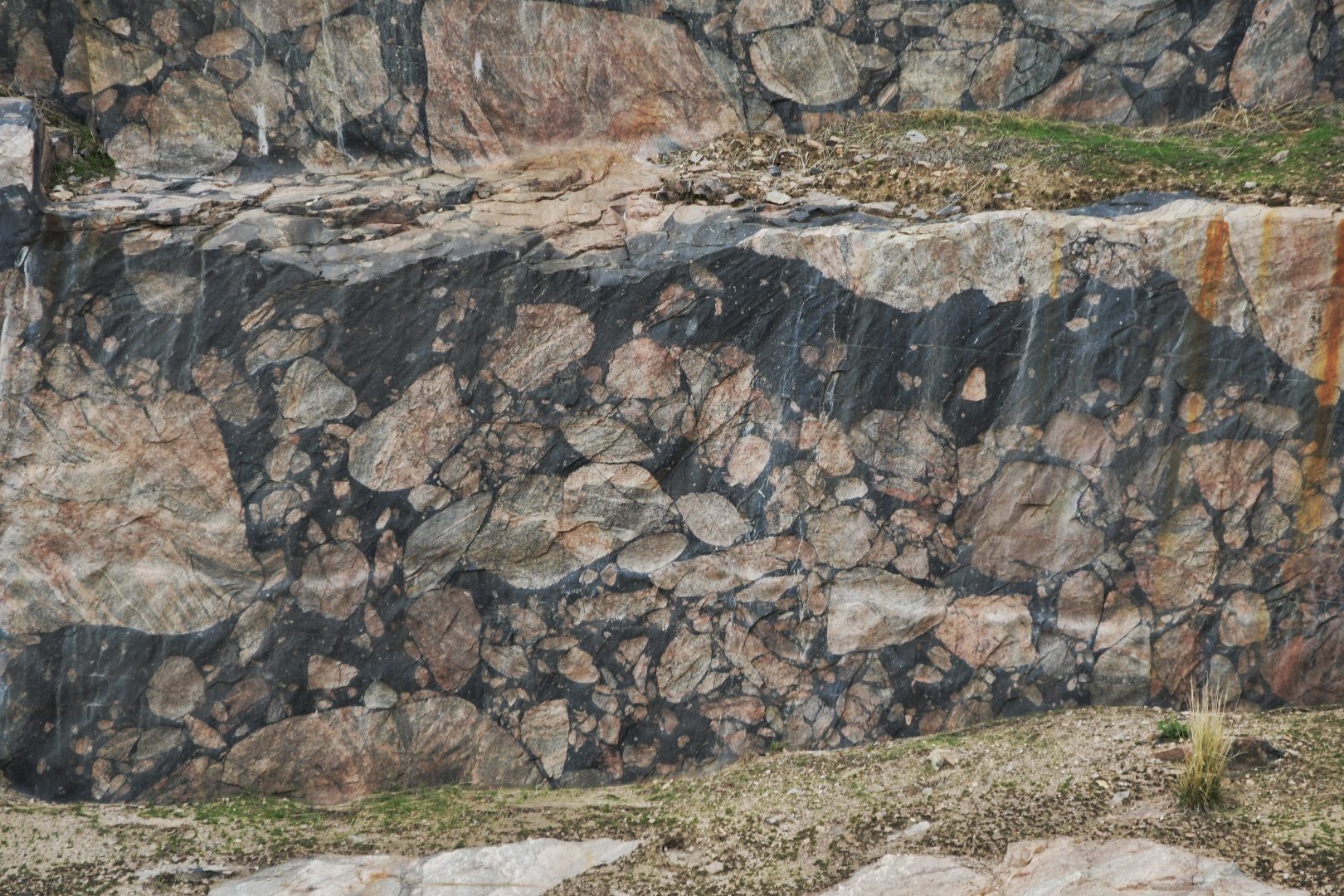
Unlike many natural wonders, the significance of the Dome is not always immediately visible. Its true value lies within the rocks themselves, where scientists continue to uncover evidence of one of Earth's most significant geological events. These ancient formations have advanced our understanding of planetary impacts, continental evolution and the dynamic forces that continue to shape our world.
Why Geological Conservation Matters
When people think about conservation, they often picture wildlife, forests or endangered species. Yet the landscapes that support life deserve protection just as much.
Geological conservation protects the Earth's history. Once a unique rock formation is damaged, removed or destroyed, that chapter of our planet's story is lost forever. Unlike wildlife populations that can sometimes recover, geological features are effectively irreplaceable on any human timescale.
The Vredefort Dome is an outdoor classroom for students, researchers and visitors from around the world. Its rocks preserve evidence of events that occurred over two billion years ago, offering insights into Earth's history that cannot be found anywhere else.
Protecting these geological features also safeguards the ecosystems, biodiversity and cultural heritage that have developed alongside them. Nature does not exist in isolation—its landscapes, plants, animals and people are all interconnected.
Our Responsibility
Conservation begins with understanding.
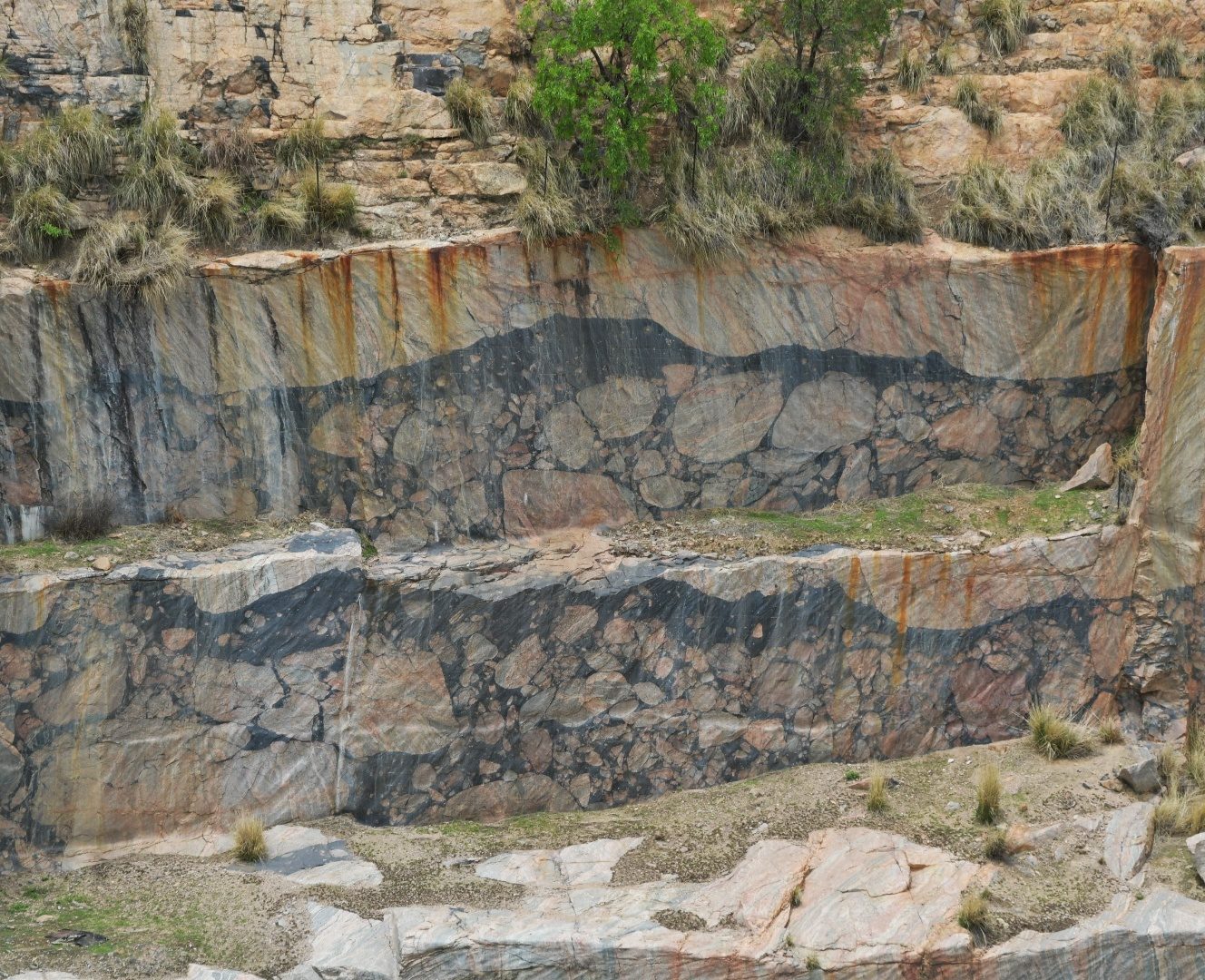
Every visitor who respects the landscape, every landowner who protects natural rock formations, and every person who chooses education over exploitation becomes part of preserving this remarkable heritage.
At the Wildlife Conservation Trust, we believe conservation extends beyond protecting wildlife—it includes protecting the very foundations upon which life has evolved. The Vredefort Dome is not simply a destination to visit; it is a living archive of Earth's history and a legacy entrusted to our generation.
Its preservation is a responsibility we all share.
Because when we protect the stories written in stone today, we ensure they can continue inspiring curiosity, scientific discovery and wonder for generations yet to come.